Iran War Dangers Escalate – Americans Get The Worst News Possible
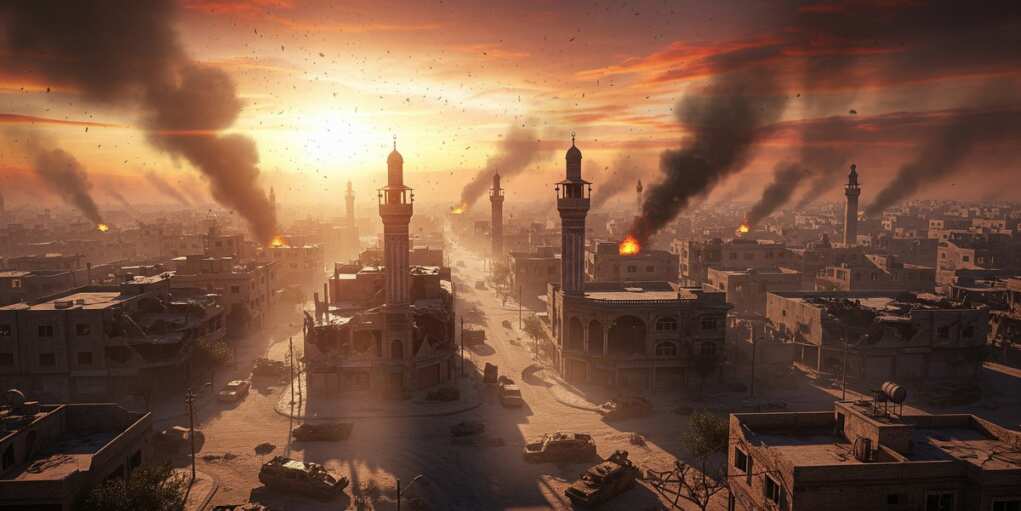
Picture this: a full-scale war is raging in the Middle East, the Strait of Hormuz — the jugular vein of global energy — is under threat, and Europe’s top diplomat steps up to the microphone to deliver the most European response imaginable: “This is not Europe’s war.”
Inspiring stuff, really. Somewhere, Churchill is rolling over in his grave so hard he could power a wind turbine.
Kaja Kallas, the European Union’s foreign policy chief, dropped that gem during a Monday press conference following a meeting of the Foreign Affairs Council in Brussels. She acknowledged — almost as an afterthought — that Europe’s interests are “directly at stake.” But the headline message was loud and clear: Don’t look at us.
“This is not Europe’s war, but Europe’s interests are directly at stake. As this war expands, the EU’s priority remains the protection of our citizens,” Kallas told reporters.
Translation: We’d like to keep buying cheap energy and shipping fertilizer through Hormuz, but actually doing something about it? That’s America’s job.
Europe’s Grand Strategy: Evacuate and Hope
Kallas did brag about evacuating “more than 30,000” European citizens from the region, many on EU-funded flights. Good for them. But evacuating your people while refusing to secure the shipping lanes they depend on is like fleeing a burning house and then complaining that nobody saved the furniture.
She mentioned that the EU already has a naval presence through Operation Aspides in the Red Sea. Sounds impressive until you learn the punchline — there was “no appetite” among EU members to actually expand the mission’s mandate. They talked about strengthening it. They discussed options. They expressed concern. They did everything except commit to doing something useful.
“There was in our discussions a clear wish to strengthen this operation. But for the time being, there was no appetite in changing the mandate of operation Aspides — for now,” Kallas said.
A “clear wish” with no appetite. That’s the EU in six words. They wish really, really hard and then go to lunch.
Trump Drops the Hammer
And here’s where it gets interesting. On Sunday, President Trump told the Financial Times there will be a “bad future” for NATO if its members don’t step up and help the United States secure the Strait of Hormuz. He didn’t tiptoe. He didn’t send a sternly worded letter through three layers of bureaucracy. He said it plainly — help or face consequences.
That’s the kind of talk that makes European diplomats break out in hives. When reporters asked Kallas about Trump’s remarks, she suddenly discovered that all these security situations are “very, very interlinked.”
“All these security theaters are very much interlinked when it comes to the capabilities that are needed in Ukraine or in the Middle East, when it comes to also our attention. That is very, very clear.”
Oh, now they’re interlinked? Five minutes ago it wasn’t your war. Now that Trump’s threatening to rethink NATO, suddenly Europe sees the connections. Funny how that works.
The Worst News for Americans
Here’s the part that should keep every American up at night. The Strait of Hormuz handles roughly a fifth of the world’s oil supply. If it stays disrupted, energy prices spike, markets wobble, and the global economy takes a body blow. And who’s stuck holding the bag? American servicemembers. American taxpayers. American families paying six bucks a gallon while Europe writes press releases about “de-escalation efforts.”
The European Council’s official summary of the meeting reads like it was drafted by a committee of fortune cookies — “ministers stressed the importance of supporting Iranian civil society” and “continued engagement with regional partners.” Meaningless diplomatic fog while the real world burns.
Meanwhile, Kallas herself warned that the Houthis could jump back into the fray: “The risk that Houthis get involved is real, so we must remain vigilant.” Vigilant. Not active. Not armed. Vigilant. Like a security guard who watches the robbery on camera and writes a really detailed report afterward.
Where This Is Headed
Trump is right to put NATO’s feet to the fire. For decades, the United States has bankrolled European security while European leaders collected Nobel Peace Prizes and lectured us about diplomacy. That arrangement was always a bad deal. Now, with a hot war threatening global energy and American forces stretched thin, it’s an insult.
Europe can call this “not their war” all they want. But when Hormuz chokes, their lights dim too — and they’ll be on the phone to Washington before the first blackout hits, asking Uncle Sam to fix it. Again.
Same continent. Same freeloading. Different decade.