
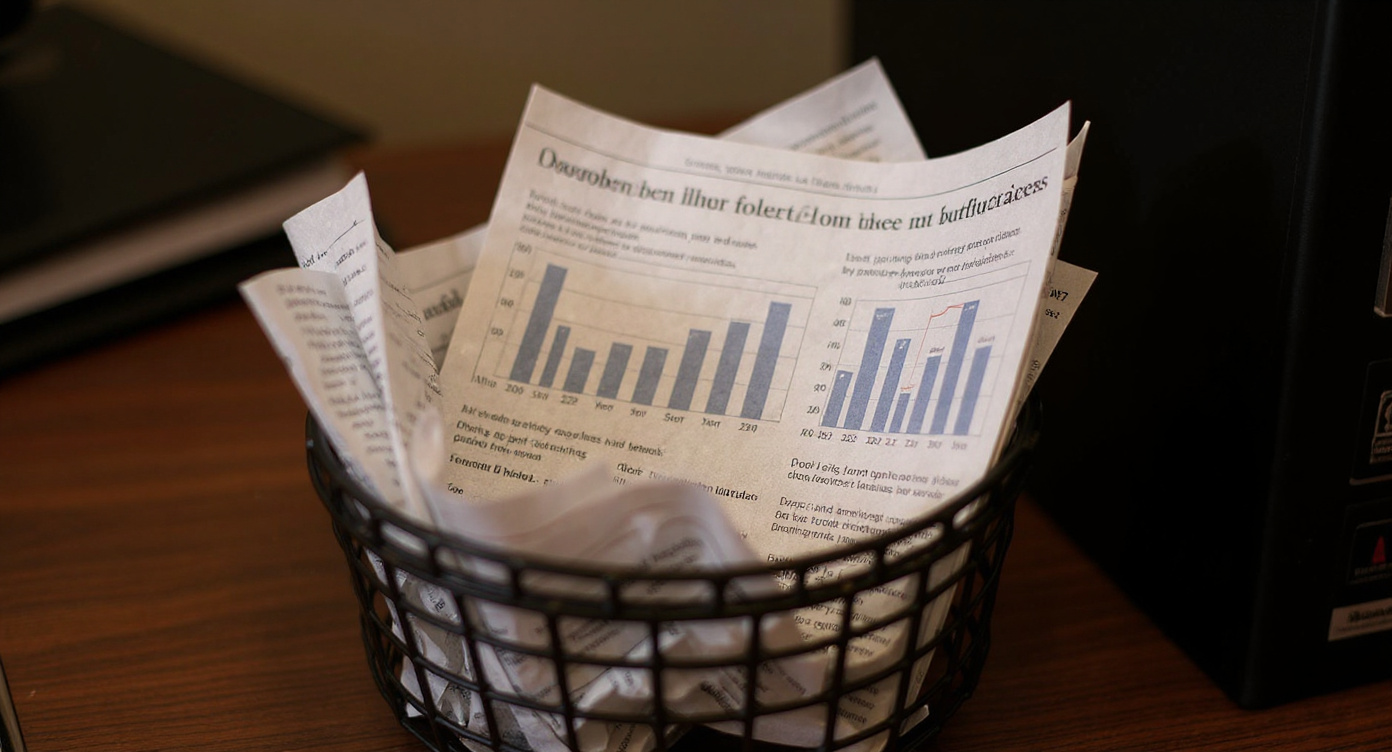
Bloomberg surveyed 77 economists and asked them to predict the August jobs number. The economy added 162,000 jobs. Not one of the 77 got it right.
Not close. Not in the ballpark. Not even in the same zip code as the ballpark.
National Economic Council Director Kevin Hassett laid it out on Friday with the kind of numbers that make credentialed forecasters quietly update their LinkedIn bios. "All 77 got the number wrong — and by a lot," Hassett said. He explained that Bloomberg had surveyed 77 economists ahead of the report and asked them to predict the jobs figure. The result wasn't just a miss — it was a historic one.
"This number is four standard deviations above the average of their forecast," Hassett continued. For anyone who skipped statistics class, that means the actual jobs number was so far above what the "experts" predicted that it was practically off the chart. The kind of outcome their models said was nearly impossible.
Hassett didn't mince words about what that means. "This is one of the best numbers relative to expectations I've ever seen," he said. Coming from a guy who's spent decades watching economic data roll in, that's not a throwaway line.
The 162,000 jobs added in August weren't some fantasy revision or a seasonal adjustment trick. They were real jobs, created in a real economy, under a president the entire credentialed class keeps insisting is an economic wrecking ball. Seventy-seven trained economists with degrees, models, and Bloomberg terminals — and the market did something none of them predicted.
Some observers on social media weren't buying the "oops, we missed it" explanation. One user on X wrote that the economists "were not wrong. They on purpose made bad 'predictions' hoping to hurt the economy." Another simply noted, "Looks like the experts aren't so expert after all." Whether it's bias, groupthink, or genuine incompetence, the pattern is consistent: the predictions run pessimistic, the results come in strong, and nobody in the forecasting class ever seems to recalibrate.
This is the same expert class that told us inflation was transitory, that shutting down the economy for two years would have manageable consequences, and that tax cuts would crater the federal budget. They keep building models based on how the economy is supposed to behave under Trump, and the economy keeps ignoring them.
We've watched this cycle before. Economists predict doom. The data lands. The data looks nothing like doom. The economists shrug and start building next quarter's doom forecast. Nobody gets fired. Nobody issues a correction. The same 77 names will show up in the next Bloomberg survey with the same methodologies that just went 0-for-77.
Meanwhile, the guy actually running the economy doesn't have a PhD in econometrics. He has a record — one that keeps producing numbers the "experts" can't explain with their spreadsheets.
Four standard deviations. That's not a miss. That's a model failure. And when your model fails that badly, the honest question isn't what went wrong with the data — it's what went wrong with the model.