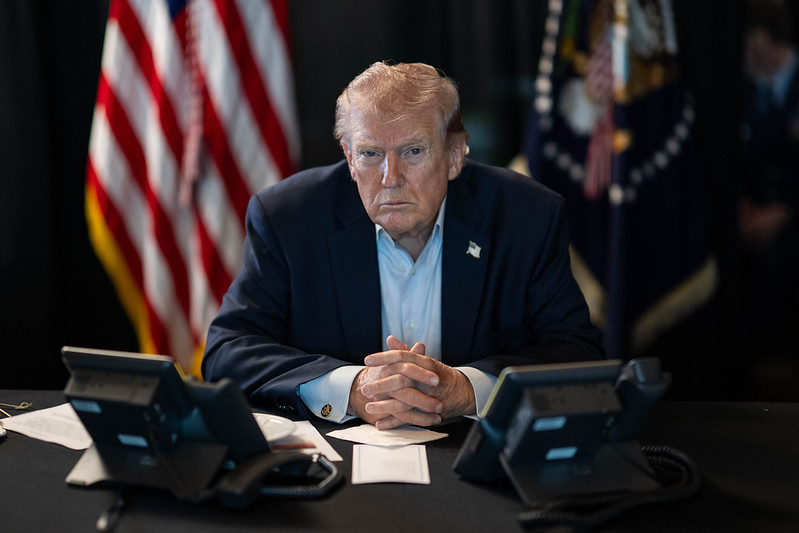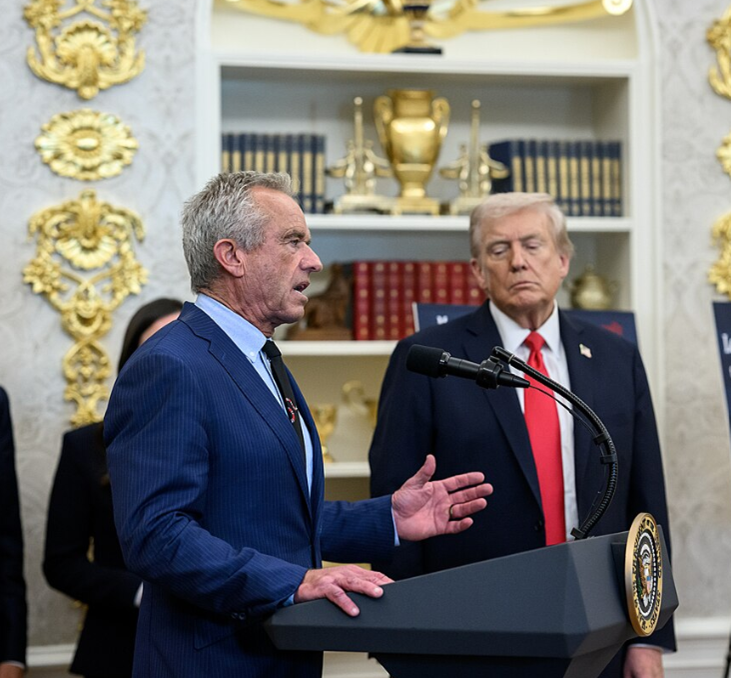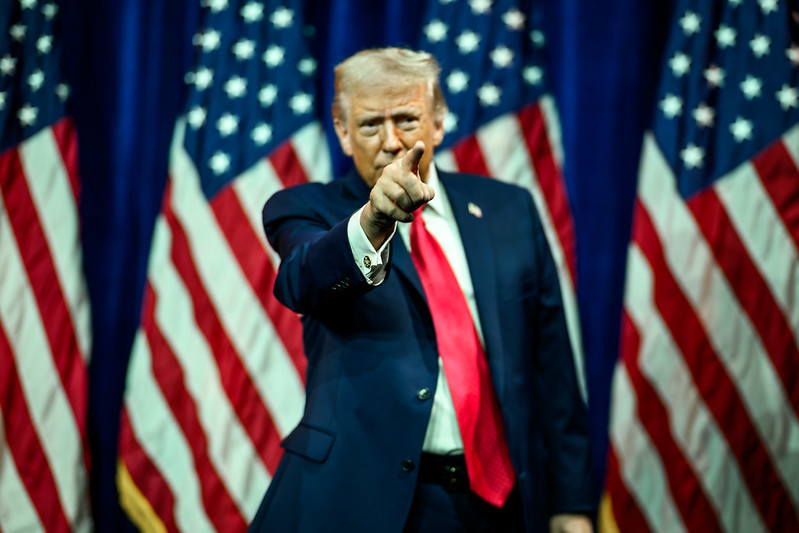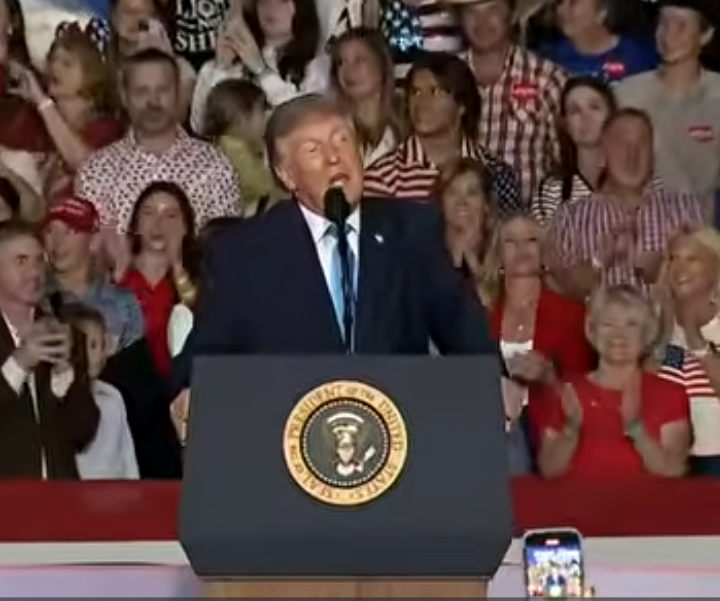

We need to talk about Iran, because what happened today is so perfectly, almost cartoonishly predictable that it should be taught in schools as a case study in why you never trust a regime that chants “Death to America” before breakfast. President Trump — in what was genuinely a good-faith diplomatic move — announced an indefinite extension of the ceasefire with Iran. He cited internal fractures within Tehran’s leadership, signaling that there were people inside the regime who actually wanted to negotiate. He gave them room. He gave them time. He extended the olive branch.
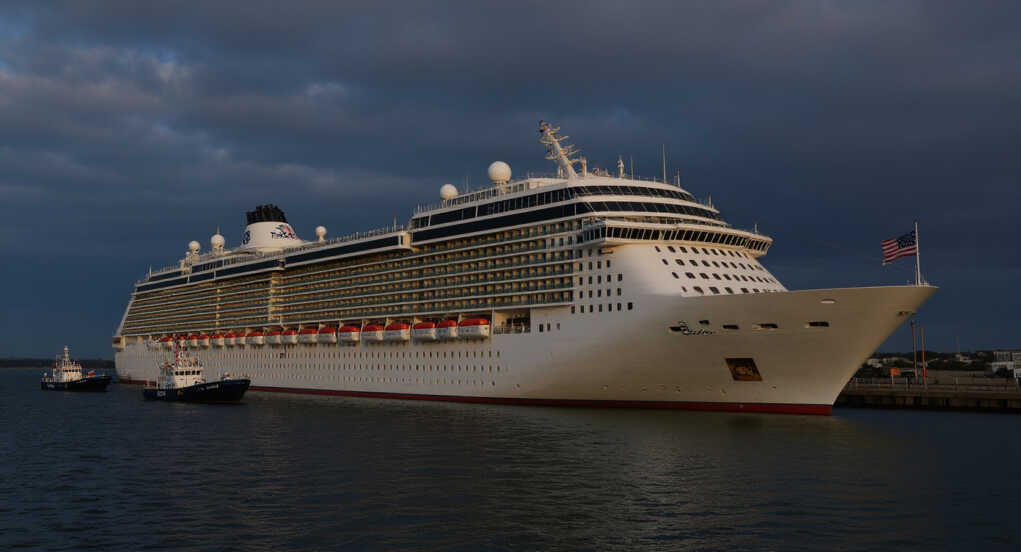
Iran’s response? They opened fire on three container ships in the Strait of Hormuz. Not three days later. Not three hours later — although that’s close enough. Within hours. The ink on the ceasefire extension wasn’t dry. The press release was still loading on people’s phones. And the Iranian Revolutionary Guard was already shooting at cargo vessels like it was target practice.
You genuinely cannot make this stuff up. If a screenwriter pitched this to Hollywood, they’d say it was too on the nose. “So the bad guys agree to a ceasefire and then immediately start shooting?” Yeah. That’s Iran. That’s what they do. That’s what they’ve always done. And anyone who’s surprised by this hasn’t been paying attention for the last forty-seven years.
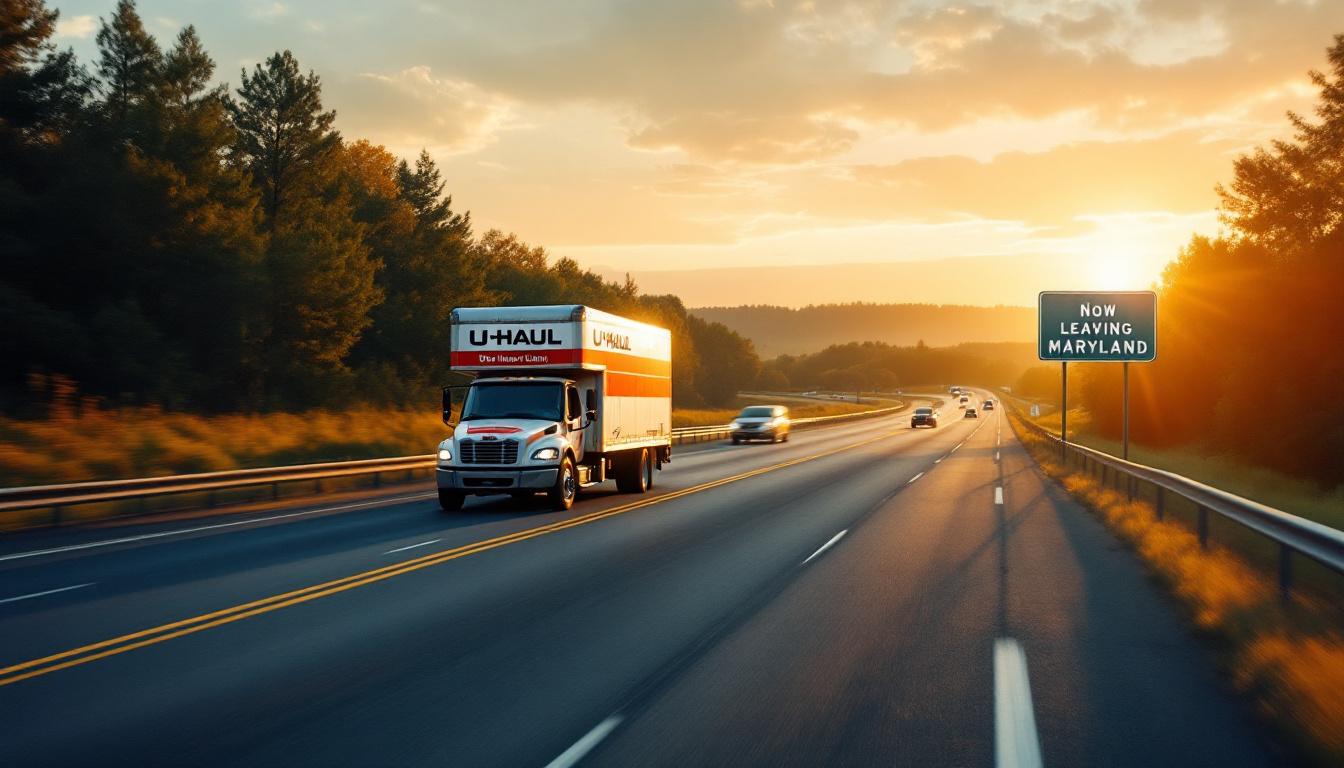
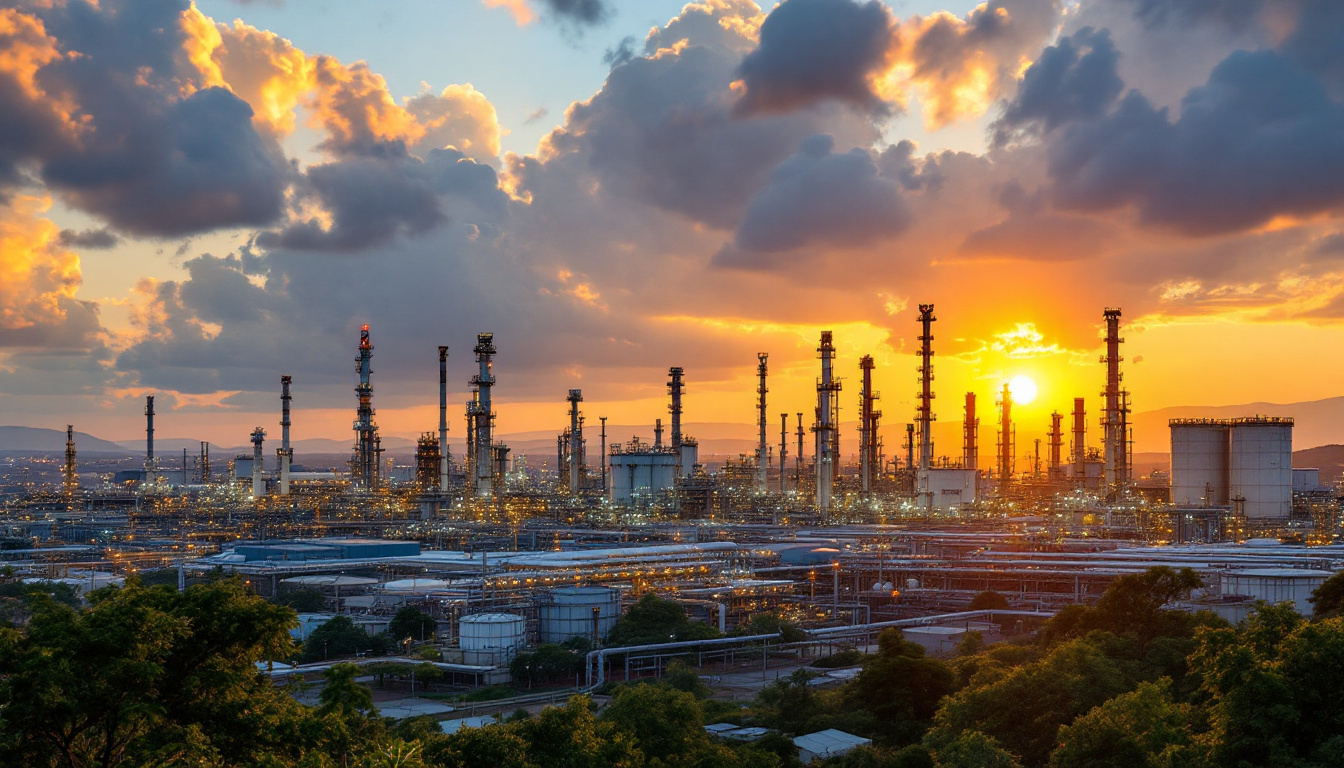
Let’s talk about what actually happened in the Strait of Hormuz, because the details matter. Three container vessels — commercial ships, not military targets, just cargo boats doing cargo boat things — were hit by Iranian gunfire while transiting one of the most critical shipping lanes on the planet. About 20% of the world’s oil passes through the Strait of Hormuz. It’s the jugular vein of the global economy. And Iran just took potshots at it like a drunk uncle shooting at cans in the backyard.
This isn’t a minor provocation. This is an act of aggression against international shipping in one of the most strategically important waterways on Earth. Every barrel of oil that gets more expensive, every shipping insurance premium that goes up, every container that gets rerouted around the Cape of Good Hope — that cost gets passed directly to you. To your gas tank. To your grocery bill. Iran didn’t just shoot at ships. They shot at your wallet.
Now, the State Department types and the foreign policy establishment — the same geniuses who gave us the Iran nuclear deal, which was basically a payment plan for Tehran’s bomb program — they’ll tell you this is complicated. They’ll say there are factions within the Iranian government, hardliners versus moderates, and we need to understand the internal dynamics. We need nuance.
No. We don’t. Here’s all the nuance you need: Trump said “we’re extending the ceasefire.” Iran said “hold my tea” and started shooting at boats. That’s not a factional dispute. That’s a regime telling you exactly who they are. When someone shows you who they are, believe them. Especially when they’re showing you with bullets.
The timing is what really gets me. Trump specifically cited Tehran’s internal fractures as the reason for extending the ceasefire. He was essentially saying: “Look, we know there are people inside Iran who want a deal. We’re going to give those people space to work.” It was strategic patience. It was the kind of move that foreign policy experts claim to want from a president. And Iran — whatever faction you want to blame — responded by proving that the moderates either don’t exist, don’t have power, or don’t have the ability to stop the Revolutionary Guard from doing whatever it wants.
That last possibility is the scariest one, by the way. If the Iranian government can’t control its own military forces in the immediate aftermath of a ceasefire announcement, then we’re not dealing with a government. We’re dealing with an armed mob with a flag.
Let’s also talk about what this means for the broader negotiation. Trump has been tougher on Iran than any president since Reagan. Sanctions, military positioning, the elimination of Soleimani — he’s made it crystal clear that there’s a cost to messing with the United States. But he’s also shown a willingness to deal. That’s the whole point of negotiating from strength: you carry a big stick, but you also have a chair at the table. The problem is, Iran keeps setting the chair on fire.
Every time we extend good faith to Tehran, they slap it away and then complain that we’re not being diplomatic enough. It’s the geopolitical equivalent of someone punching you in the face and then asking why you’re being so aggressive. The European Union — always ready to carry water for the mullahs — will issue a statement calling for “restraint on all sides.” Both sides. As if Trump extending a ceasefire and Iran shooting at ships are morally equivalent actions. They’re not. One is diplomacy. The other is piracy.
So where does this leave us? Exactly where we’ve been for four decades: dealing with a regime that understands only one language, and it isn’t diplomacy. The ceasefire extension was the right call — you always give your adversary one more chance to come to the table, because then when they blow it, the whole world sees who the aggressor is. And Iran just showed the whole world, in broad daylight, in one of the busiest shipping lanes on the planet.
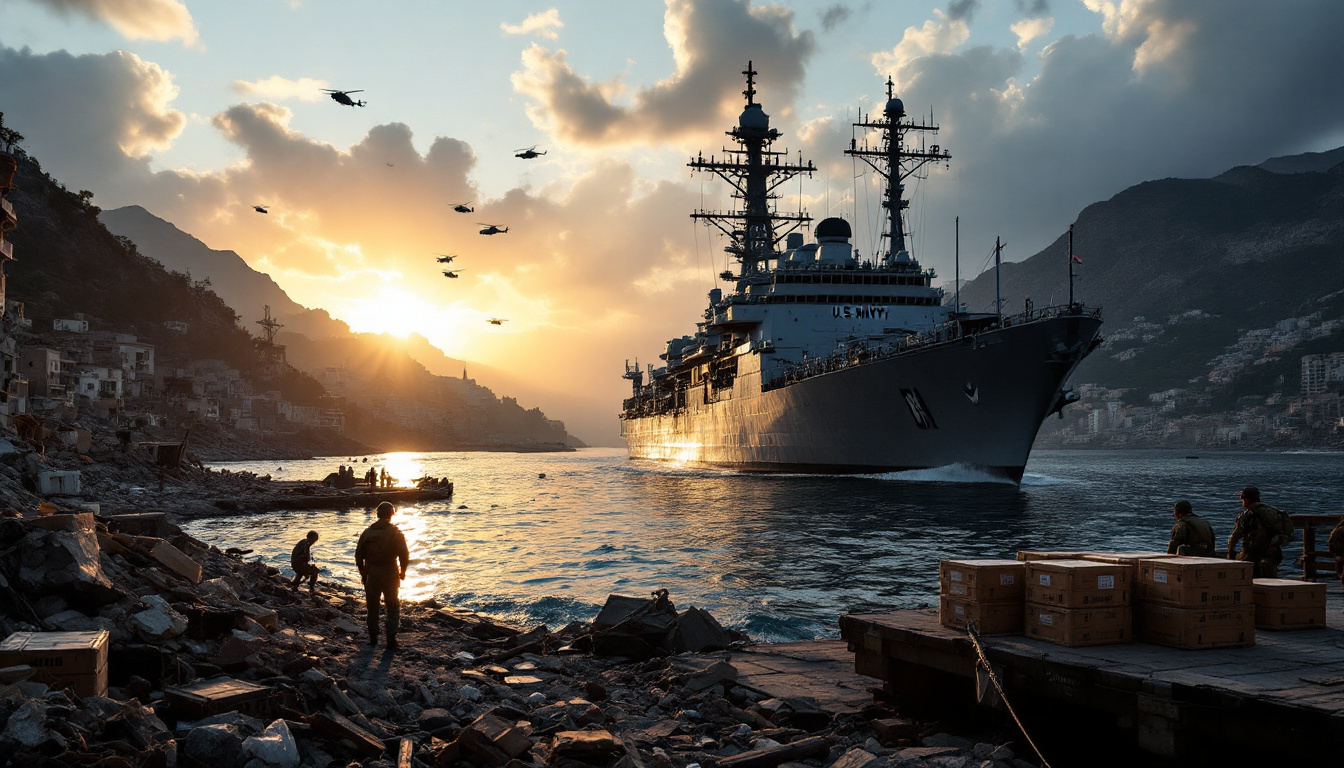
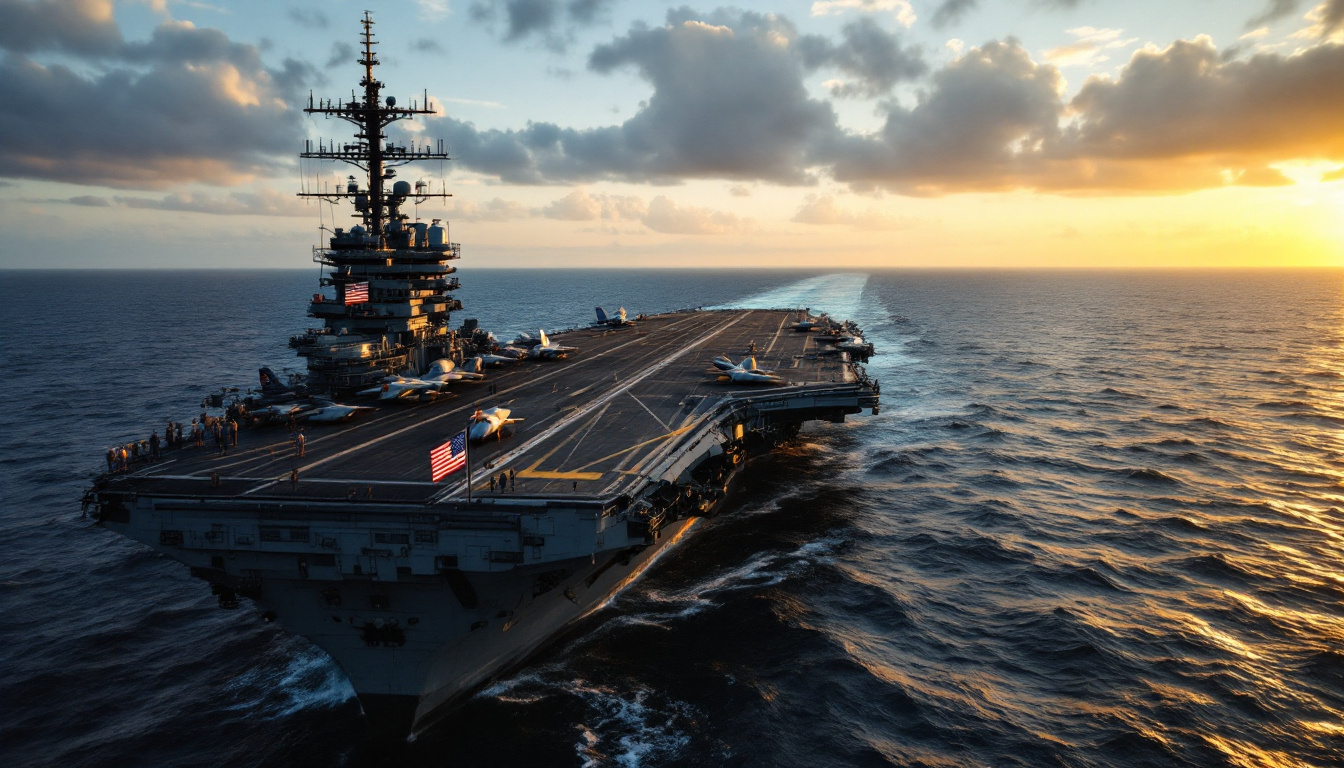
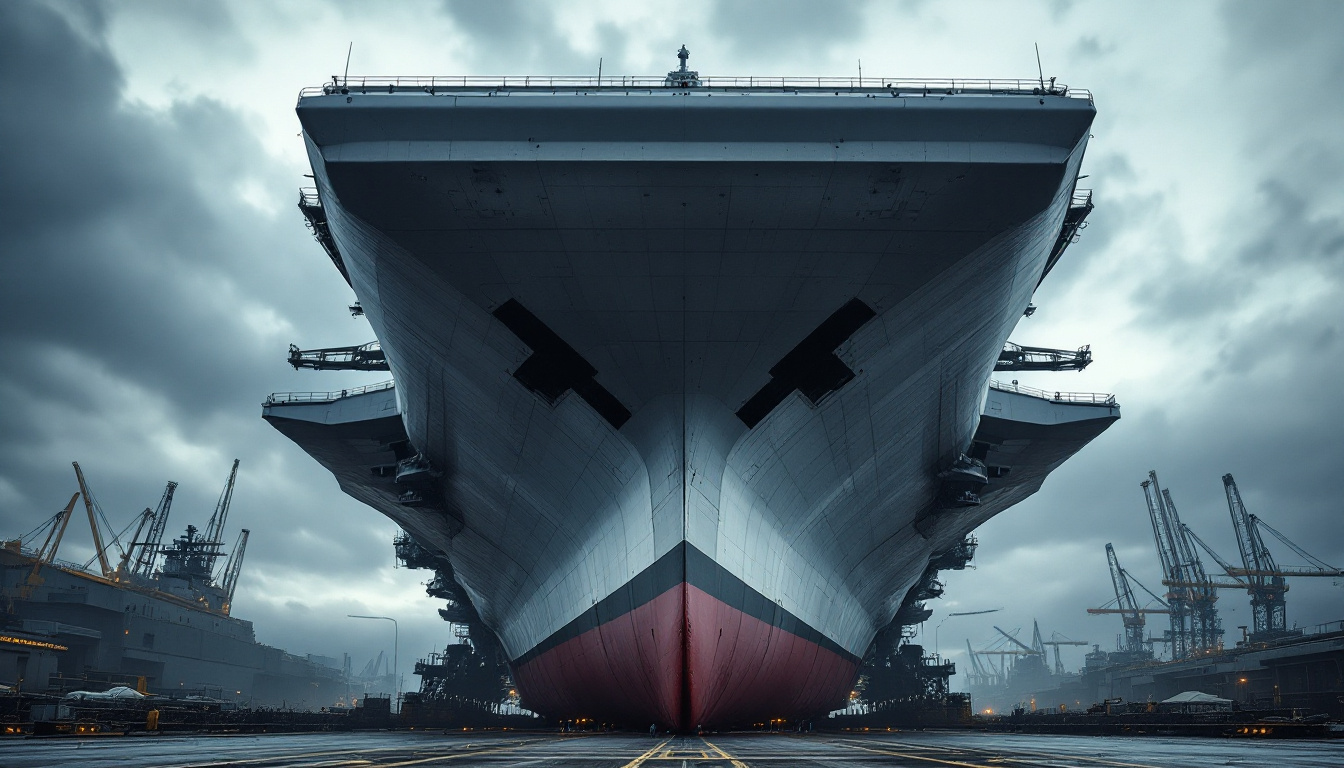
The Navy is already in the region. The carrier groups are positioned. The message has been sent, received, and apparently ignored. What happens next is up to Tehran, but if history is any guide, they’ll do something stupid, blame us for it, and then send their foreign minister on CNN to explain how America is the real problem.
Here’s what we know: Trump tried. He extended the branch. Iran lit it on fire. And now three commercial vessels have bullet holes in them because a theocratic regime with an inferiority complex can’t go twelve hours without reminding the world why nobody trusts them.
The ceasefire was a test. Iran failed it. Spectacularly. In broad daylight. On camera.
What happens next won’t be a test. It’ll be an answer.