
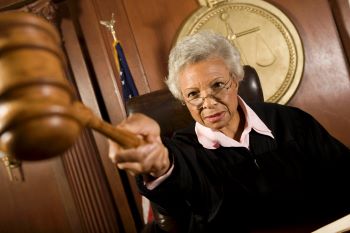
U.S. District Judge Deborah Boardman declined to block President Trump's executive order targeting birth tourism last week. Seven days later, she blocked it.
Same judge. Same executive order. The only thing that changed was the paperwork.
Boardman, a Biden appointee sitting in Maryland, issued a 35-page preliminary injunction on Tuesday halting enforcement of the August 6 executive order that targeted foreign nationals who enter the United States specifically to give birth and secure citizenship for their children. The lawsuit was brought by We Are CASA, a Maryland-based immigrant advocacy group, along with other rights organizations representing families who say the order threatens their children's citizenship status.
The legal logic here requires a little background. On June 30, the Supreme Court ruled 5-4 in Trump v. Barbara that Executive Order 14160 — the original birthright citizenship order Trump signed on his first day back in office, January 20, 2025 — was unconstitutional. That order had broadly directed every executive branch department to refuse to recognize children born to illegal immigrants or temporary visa holders as citizens. The Court said no. The 14th Amendment means what it says.
So the Trump administration went back to the drawing board. The August 6 order was narrower by design, targeting the specific practice of birth tourism — women traveling to the United States on tourist visas for the express purpose of delivering a baby on American soil. It wasn't a rerun of the original order. It was a different approach to a different problem.
Boardman wasn't interested in the distinction.
"The Supreme Court has spoken: Children in the certified class are 'citizens at birth,'" she wrote. The new order, she ruled, "is almost certainly unconstitutional" because the Supreme Court in Barbara "already decided that the children in the class are citizens at birth."
Which sounds definitive until you remember she reached the opposite conclusion seven days earlier when the same plaintiffs brought the same challenge with slightly different legal framing. The challengers amended their lawsuit, and suddenly the constitutional picture changed. Not the facts. Not the order. The filing.
Shana Khader, legal director at We Are CASA, wasted no time taking a victory lap. "When it comes to attacking birthright citizenship, the Trump administration has lost before this court, lost before the supreme court, and lost again today," she said. Three losses in one sentence. That's efficient messaging, even if it papers over the fact that the birth tourism order and the original Executive Order 14160 are meaningfully different policies.
The broader pattern is worth noting. Trump v. Barbara was a 5-4 decision — not exactly a constitutional landslide. Chief Justice Roberts wrote the majority opinion, joined by Justices Sotomayor, Kagan, Barrett, and Jackson. The ruling affirmed that the framers of the 14th Amendment intended birthright citizenship for everyone born on American soil and subject to U.S. jurisdiction, regardless of their parents' immigration status. That's settled law now, and nobody serious is pretending otherwise.
But the birth tourism order wasn't challenging birthright citizenship as a concept. It was targeting the commercial industry that has sprung up around it — travel agencies marketing "maternity tourism" packages, visa applicants who lie about the purpose of their trip, a pipeline designed to exploit the 14th Amendment as a product. The administration's argument was that regulating fraudulent visa applications is an immigration enforcement matter, not a citizenship question.
Boardman's 35-page ruling collapsed that distinction entirely. If you're born here, you're a citizen, full stop, and any executive action that touches that outcome is Barbara all over again.
Left-wing legal groups are already calling this the final word. Which is an interesting position to take about a preliminary injunction — a temporary hold while the case is still being litigated — from a district court judge who couldn't make up her own mind for more than a week.
The administration will appeal. The Fourth Circuit will weigh in. And eventually, the same Supreme Court that decided Barbara by a single vote will have to answer a question it didn't actually address the first time: whether the president can crack down on visa fraud without a federal judge treating it as a constitutional crisis.
A 5-4 ruling, a narrower order, and a judge who changed her mind in seven days. That's not settled law. That's a speed bump on the way back to the Supreme Court.