
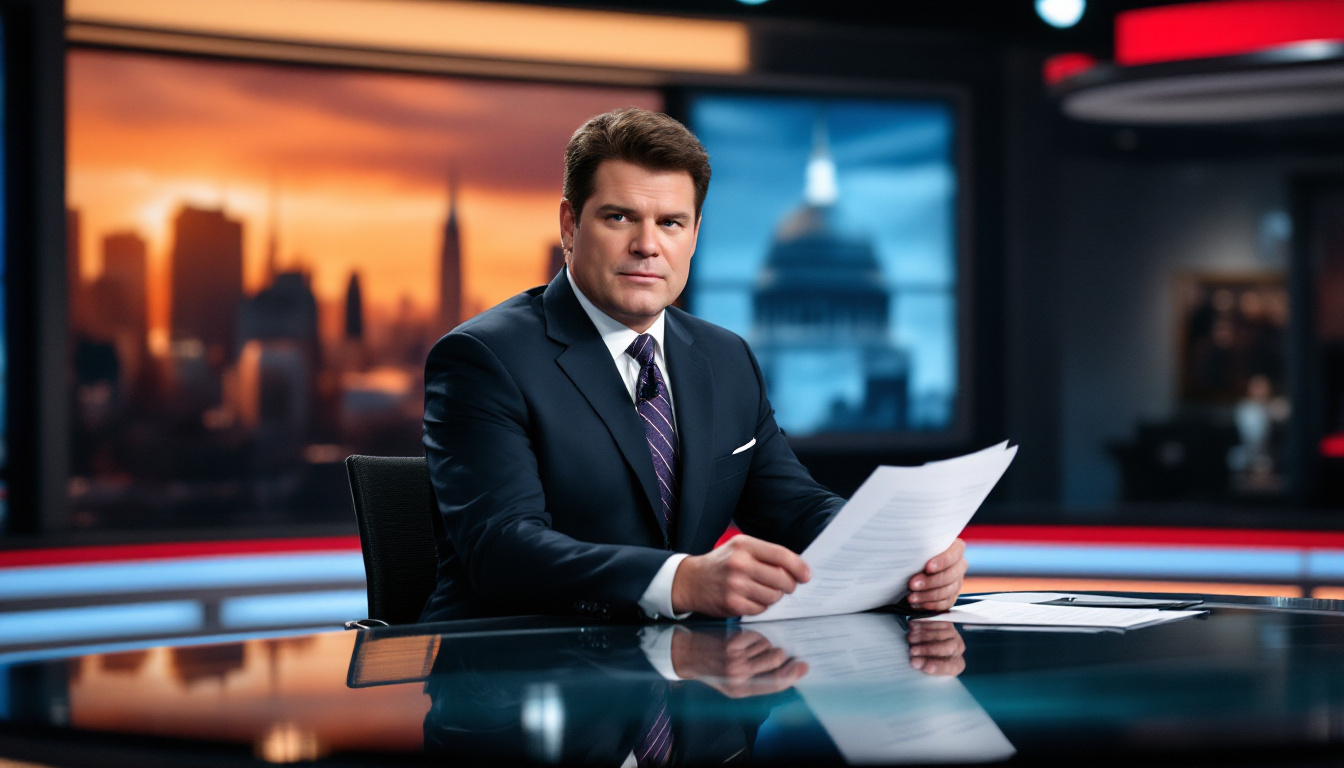
Abdulrahman Mohamed El-Sayed sat down for a Fox News interview with Bret Baier this week, presumably expecting the usual campaign-trail questions about Michigan policy and midterm positioning. Then Baier started reading a 2012 letter — one El-Sayed signed in support of the Muslim Brotherhood — and the entire interview changed.
El-Sayed didn't push back. He didn't clarify. He panicked.
The clip, which has gone viral since airing, shows El-Sayed refusing to let Baier finish reading the letter, talking over the host, and deflecting with the frantic energy of a man who absolutely did not expect his own words to come back at him on national television. El-Sayed's reaction can only be described one way: sheer panic.
And that's the part worth watching closely. Not the letter itself — though a 2012 document expressing support for the Muslim Brotherhood is exactly the kind of thing Michigan voters deserve to know about from someone appearing on their ballots. The real story is the reaction. El-Sayed had every opportunity to explain the letter, put it in context, or simply own it. He chose none of those options.
Instead, he shut the question down. Wouldn't let Baier ask it. Wouldn't let Baier read it. The behavior of a man who knows what that letter says and knows what it looks like to the voters he's trying to court in 2026.
Watch the interaction for yourself
The Muslim Brotherhood isn't some obscure policy think tank. It's an organization that's been designated a terrorist group by multiple U.S. allies, and one whose influence in American political circles has been a subject of national security concern for over a decade. Signing a letter of support in 2012 wasn't a casual civic gesture. It was a position.
El-Sayed's strategy appears to have been simple: pretend the letter doesn't exist and hope no journalist bothers to dig it up. That works fine when the media environment cooperates. It falls apart the moment someone like Baier walks into the interview with the receipts already printed.
What El-Sayed conspicuously did not do during the interview is worth more than what he did. He didn't say the letter was taken out of context. He didn't say his views had changed. He didn't say he regretted signing it. He just didn't want anyone to read it. While running for office in Michigan.
The letter is from 2012. The panic is from this week.