
For two years, while Hamas held hostages in the tunnels of Gaza, Americans among them, the terror group's political leaders lived comfortably in Doha. Qatar gave them offices, protection, and a home.
Until last week, CNN's website described that country this way: "Qatar has built something rare — a small country with an outsized role in how the world works."
That line wasn't from an opinion column or an ad. It appeared on CNN's own page promoting "Global Perspectives," a for-profit event the network is staging at the Rosewood Doha, a luxury hotel in Qatar's capital, starting October 29. The page went on to celebrate "Qatar's achievements in diplomacy, energy, culture, and sport." Another session asked how Qatar could position itself "at the center of global affairs."
Then someone noticed, and the language disappeared. The session titled "The Gulf: What Comes Next" became "Power in the Middle," with a new description that never mentions Qatar. Open-source investigator Eitan Fischberger posted screenshots of the original text and pointed out that traces were still sitting in Bing's search index.
CNN was asked why it made the changes and how much control Qatar has over the event. It didn't answer.
Here's why this matters to anyone who watches the news.
CNN says the "editorial content and news-making interviews" from the Doha event "will be featured across CNN platforms." Qatar's prime minister, Sheikh Mohammed bin Abdulrahman Al Thani, is a featured speaker. So is the head of Qatar's sovereign wealth fund. A Qatari state-backed media zone is presenting its own session.
So in a few weeks, Americans will turn on CNN and see interviews filmed on a Qatari stage, at an event the network wrote up as a celebration of Qatar, featuring the government that gave Hamas's leadership a home. It will be presented as news.
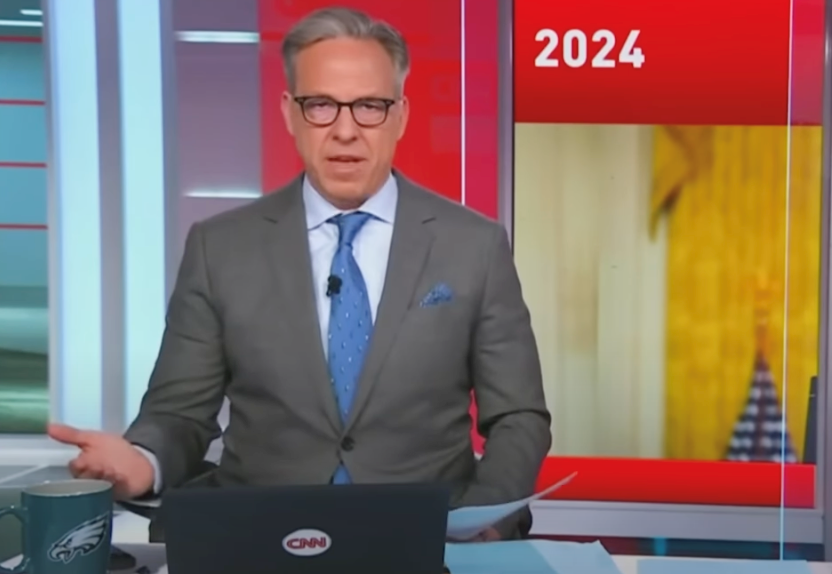
CNN is sending its biggest names to make it happen: Wolf Blitzer, Christiane Amanpour, Richard Quest, and CEO Mark Thompson. These are the people CNN puts on air when it wants Americans to trust what they're hearing about Israel, Gaza, and the Middle East.
And the money runs deeper than one event. Qatar underwrote CNN's Doha bureau in 2024. Late last year, CNN launched a show promoting Qatar's cultural sites and shopping, and some of its own staffers privately asked whether it was "a quid pro quo with Qatar." CNN also recently co-sponsored Qatar's Doha Forum.
Every step came with the same promise. Qatar pays for "facilities and technical support," CNN says, but "anything related to CNN editorial content is fully controlled and funded by CNN."
The deleted agenda shows how far that promise stretched. CNN's own writers called the country that hosted Hamas's leaders a place that "has built something rare." The network stood behind that line until someone outside the building took a screenshot. Then it scrubbed the page and refused to explain.
This is the same network that spent years telling Americans that foreign governments were trying to manipulate what they read and watched. When Russian accounts bought about $100,000 in Facebook ads, CNN treated it as an attack on democracy and covered it for years.
Qatar has poured billions into American universities and influence campaigns, and now it is paying for CNN's operation in Doha. CNN has called that a facilities arrangement and moved on.
If a network takes a foreign government's money, praises that government on its own website, and then deletes the praise when people start asking questions, viewers can fairly ask what else gets softened before it reaches them.
On October 29, CNN's anchors will take the stage in Doha next to Qatar's prime minister. Whatever he says will end up on CNN as news.
The praise for Qatar is gone from CNN's website. The screenshots aren't.