
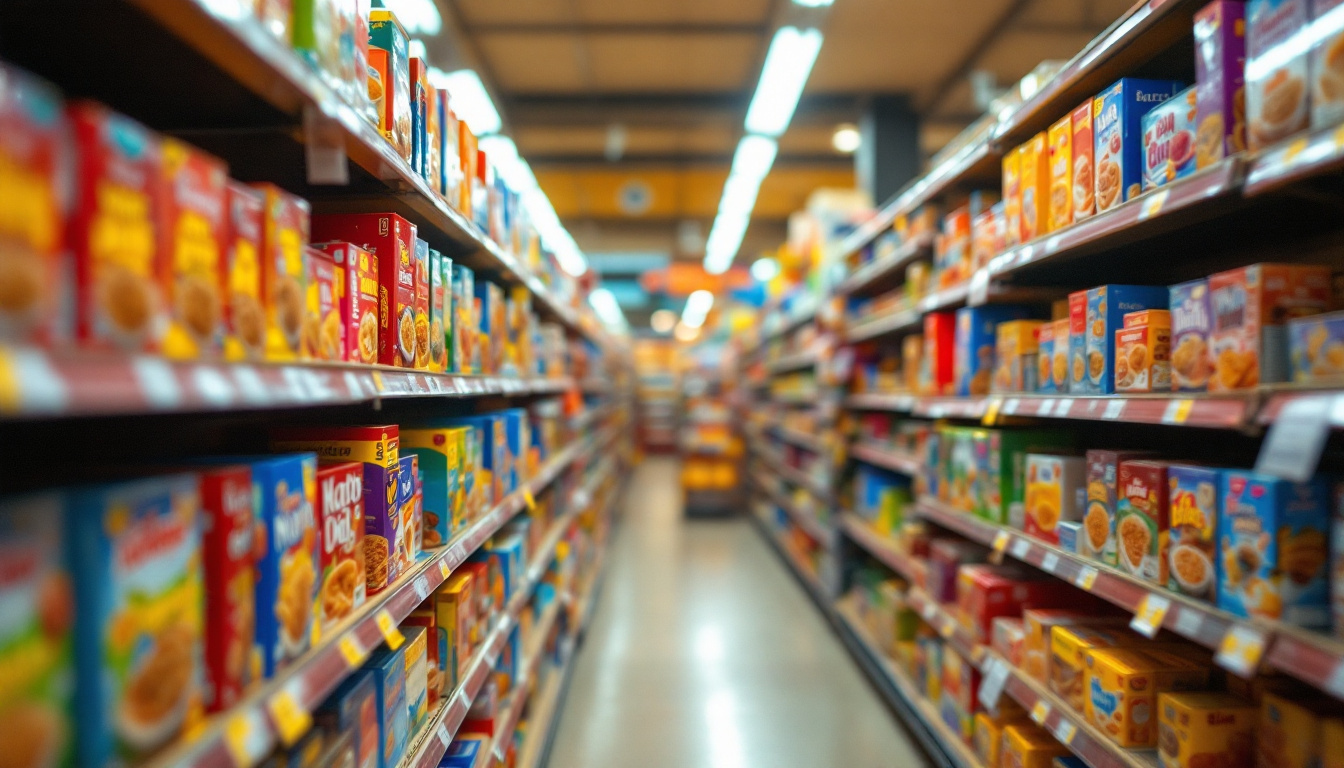
Lucky Charms and Trix are about to look a little different. Not because General Mills wants to — because 90% of their U.S. retail cereal portfolio has already been cleared of artificial dyes, and the rest is getting the same treatment by the end of 2027.
Funny how "misinformation" keeps turning into corporate policy.
General Mills announced it is removing all eight petroleum-based synthetic dyes from every cereal it sells in America. The company's K-12 school foods were cleaned up first. Now the retail boxes are following. Bethany Quam, President of Big G Cereal at General Mills, framed it as listening to consumers: "This achievement reflects how we are evolving with consumer needs while continuing to offer food that tastes great, delivers quality and provides value."
Consumer needs. That's one way to describe what happened. Another way: Robert F. Kennedy Jr., the Health and Human Services Secretary, launched a pressure campaign in March 2025 telling the American public that their kids' cereal was colored with petroleum derivatives. The media called him a conspiracy theorist. The food lobby said he was fearmongering. Now General Mills CEO and Chairman Jeff Harmening is out here saying, "Knowing the trust families place in us, we are leading the way on removing certified colors in cereals and K-12 foods by next summer."
Leading the way. As if they weren't dragged there kicking and screaming.
Kennedy didn't mince words about it either. "Nobody wants to eat petroleum; everybody knows that caused health problems. And so we can act on that now," he said. He also posted publicly that General Mills "is now committing to eliminate artificial dyes from its U.S. products within two years, thanks to @POTUS's leadership and his pledge to Make America Healthy Again."
And General Mills isn't alone. Kraft Heinz's North America President Pedro Navio committed to pulling dyes from Kool-Aid, Jell-O, Crystal Light, and Jet Puffed marshmallows. Mars, Hershey, Campbell's, WK Kellogg Co., Nestlé, Smucker's, and PepsiCo have all made similar moves. The voluntary phase-out deadline for the eight synthetic dyes is the end of 2026.
Retailers are pushing from the other direction too. Target's Executive Vice President Cara Sylvester said "consumers are increasingly prioritizing healthier lifestyles, and we're moving quickly to evolve our offerings to meet their needs." Target set a May 2026 deadline for removal, and 85% of their cereal sales already come from dye-free options. Sam's Club has gone after 40 artificial additives and hit 96% progress toward removing them.
Think about that trajectory for a second. Kennedy starts talking about petroleum in kids' food. The credentialed class rolls its eyes. The FDA under then-Commissioner Marty Makary starts reviewing the science. And within eighteen months, every major food company in America is voluntarily ripping these chemicals out of their products. Not because of a government mandate — because the public pressure made it impossible to keep pretending the stuff was fine.
The standard defense was always that these dyes were "FDA approved" and "perfectly safe in approved quantities." Which is technically true in the same way that cigarettes were once endorsed by doctors. The approval existed. The safety didn't hold up once someone actually bothered to look.