
During the campus protest wave of 2024, pro-Palestinian activists occupied Butler Library at Columbia University, renamed it after a Palestinian militant killed by Israeli forces, got 78 of their members arrested, and then — when Columbia's judicial board issued suspensions, expulsions, and degree revocations — filed a lawsuit demanding the university answer for disciplining them. To support that lawsuit, their attorney cited two established court cases as legal precedent.
Neither case existed. A chatbot made them up.
The five student plaintiffs were seeking to overturn the disciplinary actions Columbia's University Judicial Board handed down in July 2025 — consequences for the occupation during which they had renamed Butler Library "Basel Al-Araj Popular University." Their lawyer, Sami El Cherif, filed the suit in New York Supreme Court in December 2025, citing Matter of McCormack v. LaHood and Matter of Ortiz v. Coughlin as precedent. A check of any legal database would have revealed that neither case had ever been argued, decided, or recorded anywhere in American jurisprudence.
Because they hadn't been. They were invented by artificial intelligence.
New York Supreme Court Judge Lyle Frank caught the fabrications. "Given the recent explosive reach of AI in the legal field," he wrote, "it is incumbent on every party communicating with a court, but especially incumbent on attorneys, to ensure that any output generated by AI is verified and accurate."
El Cherif withdrew the citations and submitted an apology letter to the court. "Petitioners sincerely regret these errors," it read. "There was no intent to mislead the Court, and undersigned counsel accepts responsibility for the miscitations."
They didn't intend to mislead the court. They just submitted invented case law to it.
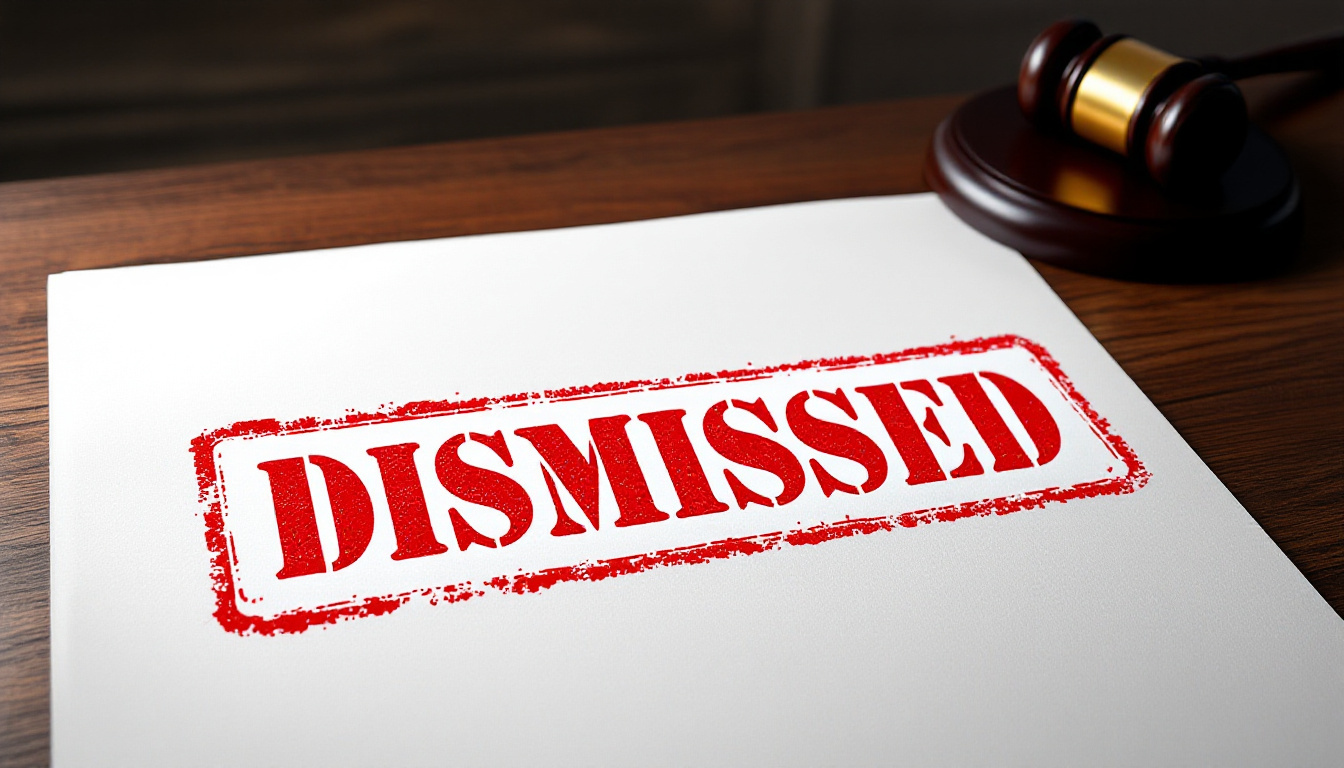
Judge Frank declined to impose further sanctions — a restraint that probably stung more than any fine would have. The College Fix first reported the story. The suit was dismissed in June 2026.
There's a specific irony here worth sitting with. These are students at one of the most prestigious universities in the country, represented by a practicing attorney, who spent months lecturing Columbia's administration about institutional accountability. They occupied a library. They renamed it after a militant. They demanded the university take their grievances seriously and answer for its disciplinary procedures.
Then they handed their lawyer briefs built on hallucinated case law.
The cases were fake. The lawsuit was dismissed. The apology letter is real and on file in New York Supreme Court.
Somewhere, Columbia's general counsel is framing that ruling.