

DJ Hoover was on an operating table, about to have his organs removed, when he showed signs of awareness. The procedure was stopped. He survived.
He wasn't the only one.
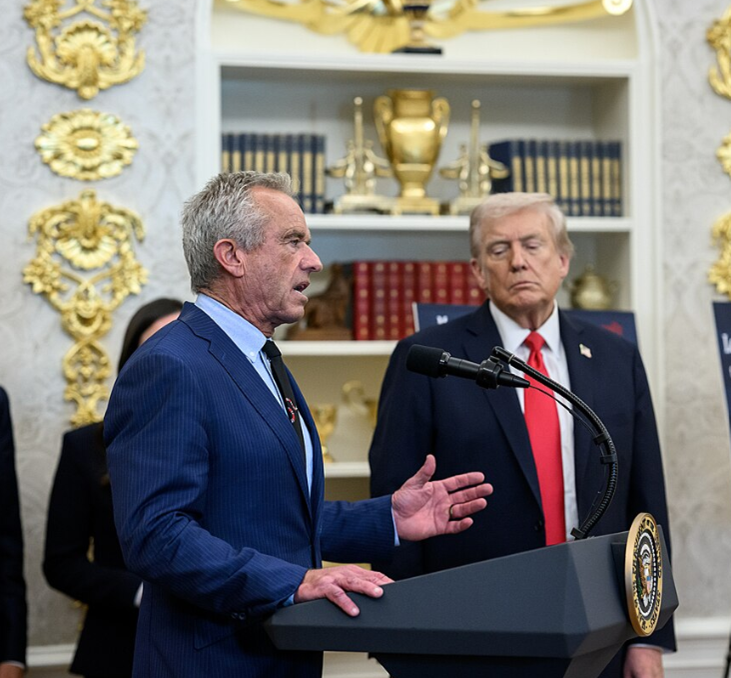
HHS Secretary Robert F. Kennedy Jr. announced the decertification of Network for Hope, the federally designated organ procurement organization serving Kentucky, Indiana, Ohio, and West Virginia, after federal reviewers uncovered what can only be described as a patient safety nightmare. CMS and HRSA reviewed 351 cases where organ donation was authorized but not completed. Of those, 103 cases — 29.3 percent — showed "concerning features."
That's a polite way of saying the people weren't dead yet.
"We found patients placed on the organ donation pathway who should have never been there," Kennedy said. "We found cases with a donation process continued, despite signs that patients were not appropriate organ donors."
Federal reviewers found serious deficiencies in nearly 30 percent of the cases they examined. Twenty-eight patients may not have been deceased when organ procurement was initiated. Seventy-three patients showed neurological signs incompatible with organ donation — meaning their brains were still doing brain things while the organization was lining up the coolers.
One of those patients was Danella Gallegos, 38 years old. Another was Misty Hawkins, 42, who fell into a coma after choking — her heart was still beating during the procurement process. These aren't abstractions. These are people with names and families who trusted a system that was supposed to have a pretty firm rule about the "deceased" part of "deceased donor."
Kennedy laid out the timeline: "persistent patient safety failures despite repeated oversights, repeated warnings, corrective action plans, and multiple opportunities to improve." This wasn't a one-time mistake. Network for Hope had been warned, given corrective action plans, warned again, and kept right on operating the same way.
Network for Hope disputes the government's conclusions and says it intends to appeal, maintaining that it follows federal policies and has implemented additional safeguards. Which is exactly what you'd expect an organization to say when the federal government catches it harvesting organs from people who are still alive.
The decertification affects over 3,000 people currently waiting for transplants in the region. Their cases will transfer to another nonprofit organization. That's a real disruption for real patients — and it's still the right call. When the alternative is an outfit that can't reliably distinguish between "donor" and "patient," a transition period beats the alternative.
This is RFK Jr. doing something that transcends the usual political food fight. There's no partisan angle on "stop taking organs from living people." There's no progressive case for keeping a procurement organization running when nearly a third of its reviewed cases had serious deficiencies. The New York Times initially investigated the problems. The Trump administration's HHS acted on them.
The organ donation system depends entirely on public trust. People check the box on their driver's license because they believe the system has safeguards — that someone will make absolutely certain they're gone before anything gets removed. Network for Hope treated that trust like a suggestion.