

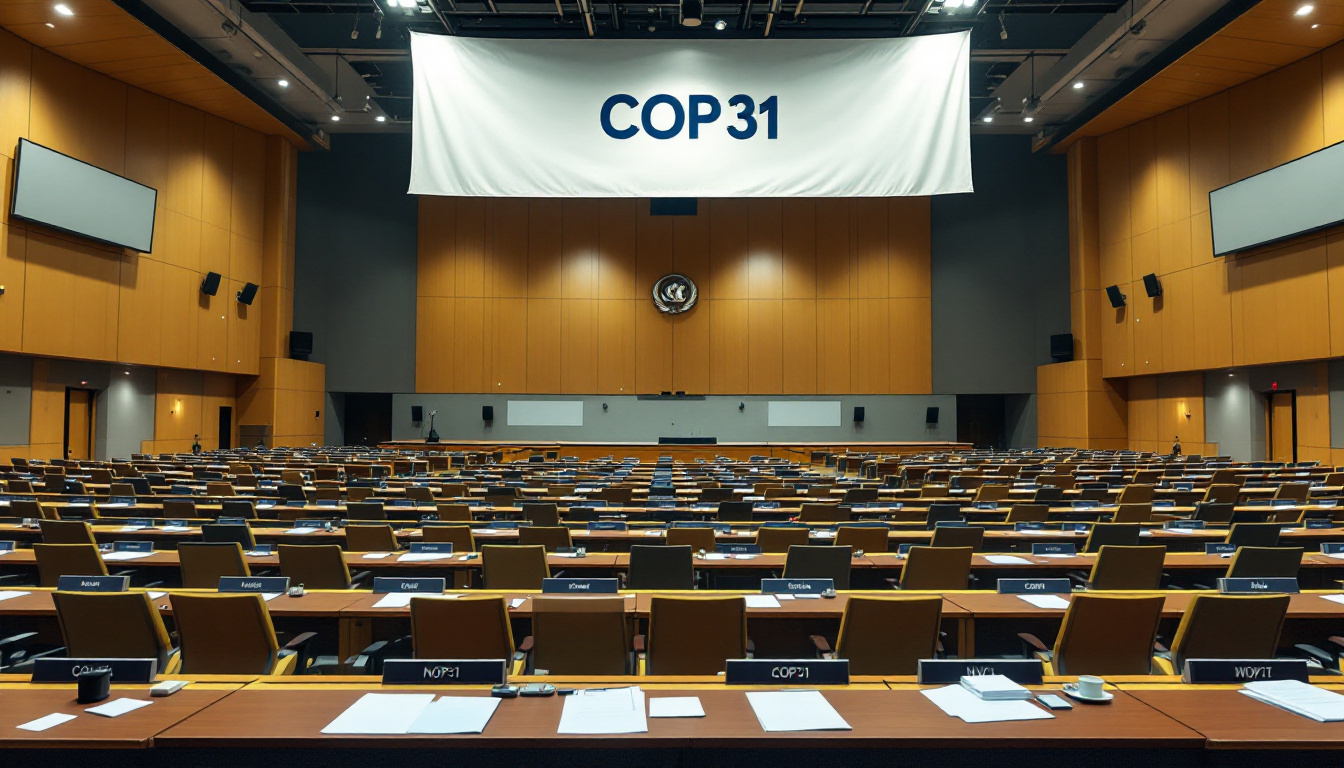
Two weeks of negotiations. Delegations from nearly every country on earth. A resort city on the Turkish Mediterranean coast. And the 31st annual United Nations climate conference — COP31 in Antalya, Turkey — ended over the weekend with no major agreement, no binding commitments, and no plan to transfer trillions from developed nations to developing ones.
The first time that's happened since 2009.
As Patriot Post analyst Thomas Gallatin reported, the conference collapsed on two fronts: delegates couldn't agree to even mention fossil fuels in the final proposal, and the central demand — a massive wealth redistribution mechanism from rich countries to poor ones — went nowhere. Australia and Turkey jointly hosted the event, with Australian negotiators leading the talks. They led them straight into a wall.
UN Secretary-General António Guterres, attending his final climate conference before leaving office, didn't take the failure quietly. He accused "powerful fossil fuel interests" of having taken "a page from Big Tobacco's playbook: distorting the science, delaying policy, blocking action, and piling up huge profits while people everywhere pay the price." That's the outgoing head of the United Nations comparing the energy industry that heats homes in winter to tobacco companies. On his way out the door.
Al Gore surfaced with his own contribution, demanding "a reinvigorated multilateral process that reflects the latest science and represents the will of the majority of the world." He called it "outrageous that a handful of petro-states have veto power over any mention of fossil fuels." By "petro-states" he means the countries that actually produce the energy the conference attendees used to fly there.
The pattern is worth noting. Thirty-one of these conferences. Private jets to exotic locations — Bali, Paris, Dubai, now the Turkish Riviera. Declarations of existential emergency. And every time the bill comes due, the countries being asked to write the check look at the number and pass. The COP framework assumes that Western taxpayers should fund the energy policies of nations that have no intention of abandoning coal or oil themselves. This time, nobody pretended otherwise.
Guterres framed the collapse as the fossil fuel industry's fault. Gore framed it as a procedural failure. Neither acknowledged the simpler explanation: the countries in the room looked at what was being asked — trillions in transfers with no enforceable return — and said no.
The last time a COP conference failed to produce a major agreement was 2009. That was seventeen years ago. The climate establishment spent nearly two decades claiming unstoppable momentum, inevitable consensus, the arc of history bending toward carbon taxes. COP31 didn't bend. It broke.
Antalya, Turkey. Two weeks. No deal. Guterres is heading for the exit. Gore is still talking. The global temperature of the negotiations, at least, appears to be cooling.