

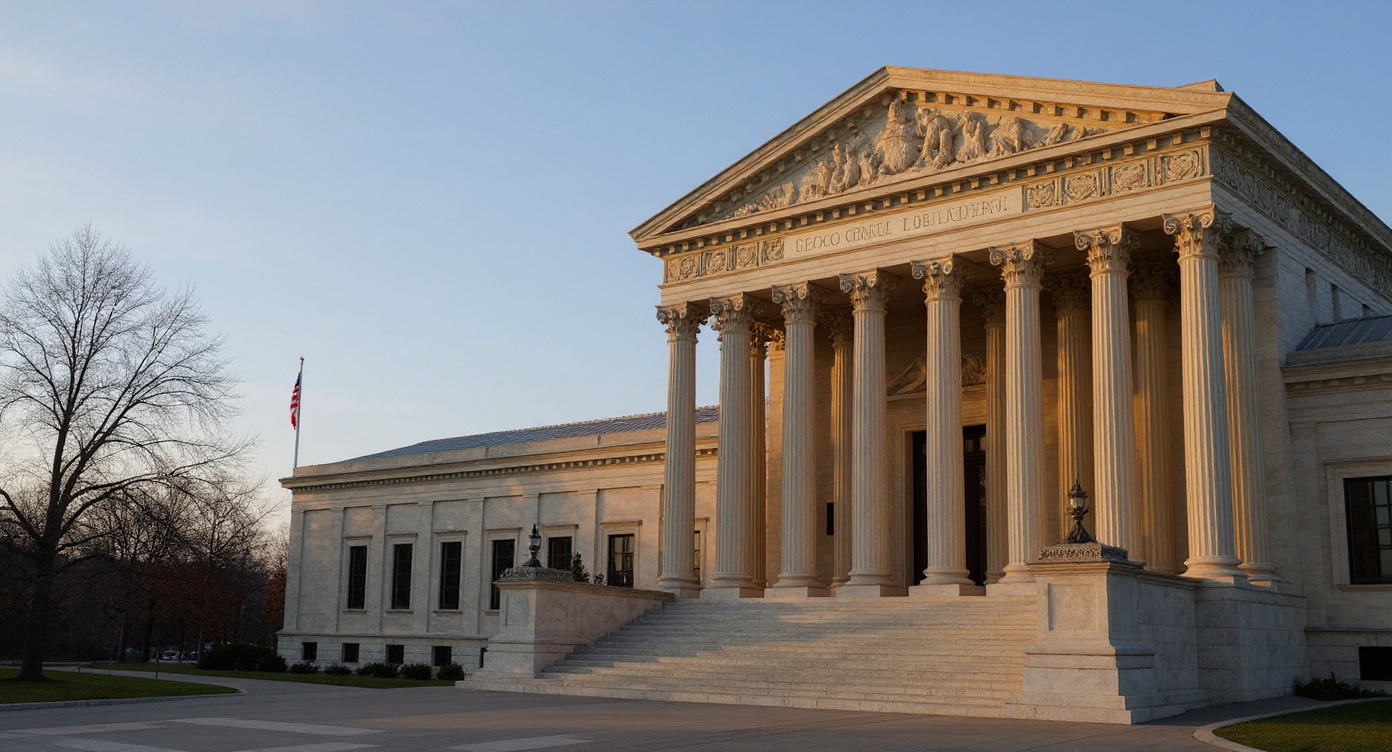
Solicitor General John Sauer filed a 48-page emergency petition with the Supreme Court on September 3, asking the justices to reinstate USPS mail-ballot regulations that a federal judge blocked less than a week ago. North Carolina starts mailing absentee ballots on Friday. Alabama follows days later.
Two months before a midterm election, the administration is asking the highest court in the land to let the Postal Service do something radical: verify that the people receiving mail-in ballots are actually eligible voters.
The rule itself is straightforward. States and local election officials would submit their mail-ballot voter lists to a new USPS electronic portal, uploading each voter's name, address, and a unique intelligent mail barcode. The Postal Service would then send ballots only to voters whose information checks out against the database. Ballot envelopes would need federal approval for design standards. Ballots that don't meet the requirements could be returned.
President Trump signed the executive order launching this process back in March, directing USPS to implement the new framework to, in the administration's words, "stop illegal voting by non-U.S. citizens." The Postal Service issued its revised rule in August.
Then the lawsuits arrived. A coalition of blue states challenged the rule, and U.S. District Judge Indira Talwani — an Obama appointee sitting in Massachusetts — issued a temporary restraining order blocking key components. Talwani argued the requirements, landing just weeks before ballots are mailed, "could prevent eligible voters from receiving them." Her order is set to expire September 10.
Sauer's filing didn't mince words. "The district court's continued prejudgment of the rule is baseless, and an immediate stay is warranted," he wrote. He added that Talwani's order "risks sowing confusion and chaos" — which is a polite way of saying a single district judge in Boston is overriding national election security two months before Americans vote.
The petition landed on the desk of Justice Jackson, who handles emergency matters from the relevant circuit. She set a response deadline of September 8 but did not immediately grant the administration's requested stay. The Supreme Court already handed Trump a preliminary win on the mail-ballot executive order in August, allowing large parts of the rule to proceed on a procedural question. This new filing asks the justices to finish the job.
Left-wing legal groups are already raising "due process" concerns about the portal system. Which is an interesting objection to raise about a verification process that asks election officials to confirm eligible voters exist at the addresses where ballots are being sent. The alternative — mailing ballots into the void and hoping for the best — is apparently the sacred democratic norm we're supposed to protect.
The administration's 48-page filing makes the scope crystal clear: "The Rule ensures that States remain responsible for determining voter eligibility and eligibility to vote by mail, and it does not dictate ballot content, mailing or receipt deadlines, or ballot-counting procedures." It "simply imposes reasonable preparation requirements for certain election-related mail."
That's worth reading twice. The rule doesn't tell states who can vote. It doesn't change deadlines. It doesn't touch ballot counting. It asks the Postal Service to verify that ballots go to real, eligible voters at real addresses — the kind of thing you'd assume was already happening.
The timing makes this a binary proposition. Either the Supreme Court reinstates the rule before North Carolina and Alabama start mailing, or the 2026 midterms proceed under the same patchwork system that half the country hasn't trusted since 2020. Townhall first reported on the filing.
The administration signed an executive order. Built a portal. Wrote a rule. Defended it in court. Took it to the Supreme Court with two months to spare. Whatever you think of the legal merits, that's not complaining about election integrity.
That's a plan.