
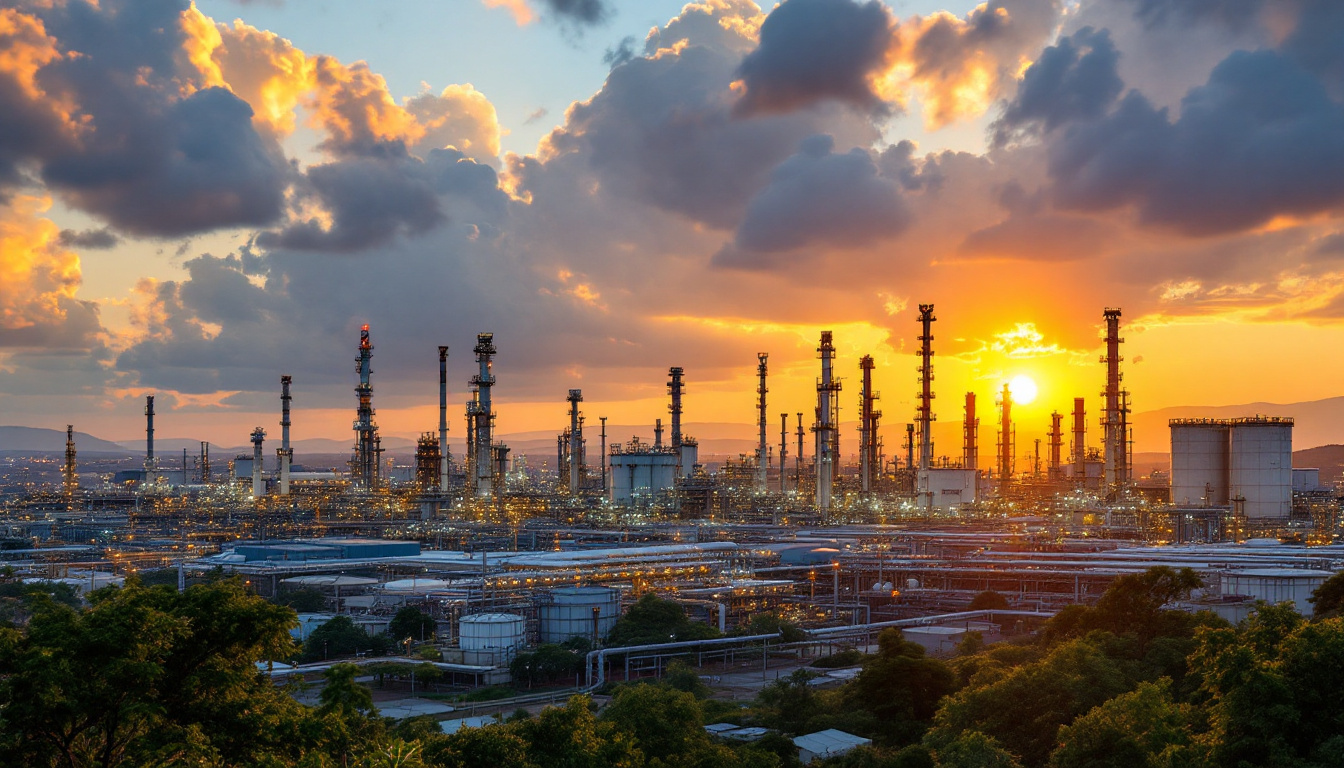
In May 2021, Venezuela was pumping fewer than 600,000 barrels of oil a day. By May 2026, that number hit nearly 1.2 million. The difference between those two figures is a story about what happens when a country finally stops pretending socialism works.
The catalyst wasn't a new discovery underground. It was a new government above it.
Venezuela's Acting President Delcy Rodriguez has overseen a series of reforms that effectively break the monopoly of Petróleos de Venezuela SA — better known as PDVSA — the state-run oil giant that spent decades running the country's most valuable resource into the ground. Foreign companies are being invited back in. Regulatory barriers are coming down. And the results are showing up in the production numbers.
The backstory here is a masterclass in how socialism destroys wealth. Venezuela nationalized its oil industry in the 1970s. Then Hugo Chávez took it further in 2007, forcing foreign companies like ExxonMobil and ConocoPhillips to surrender their majority stakes in Venezuelan operations. The message was clear: the state owns this, and you're lucky we let you participate at all.
The predictable happened. Infrastructure crumbled. Production collapsed. The country sitting on some of the largest proven oil reserves on the planet couldn't keep the lights on.
By 2022, PDVSA had quietly begun ceding managerial control back to private companies — an admission, without actually saying it, that the socialist model had failed. Then Nicolás Maduro was captured in January 2026, and the door swung wide open.
President Trump moved fast. He met with more than two dozen oil executives and pointed them toward Venezuela, estimating the country would need roughly $100 billion in infrastructure refurbishment to get back to full capacity. That's not a small number, but it's the kind of number that gets boardrooms interested when the regulatory environment finally makes sense.
Not everyone jumped immediately. ExxonMobil CEO Darren Woods told Trump that Venezuela would need serious law reforms before the country became attractive for major investment. Trump's response, per the reporting, was that he might just "keep Exxon out" of the anticipated boom. That's one way to motivate a Fortune 500 company.
By May 2026, an industry meeting at the J.W. Marriott in Caracas drew significant interest from international players, including Chevron. The Iran conflict and the resulting disruption around the Strait of Hormuz only accelerated the timeline — when one source of global oil gets shaky, alternatives start looking a lot more appealing.
The Rodriguez government, whatever its other motivations, appears to understand that doubling production is more useful than doubling down on ideology. That's a lesson Chávez never learned and Maduro learned too late.
What makes this story worth paying attention to isn't just the barrels. It's the pattern. A socialist government nationalizes an industry, promises the wealth belongs to the people, watches the industry decay for decades, and then quietly invites capitalists back in to fix everything. Venezuela spent fifty years proving that state control of oil production is a losing bet. The free market needed about eighteen months to start reversing the damage.
The "keep Exxon out" line will get the headlines. The production chart tells the real story.