

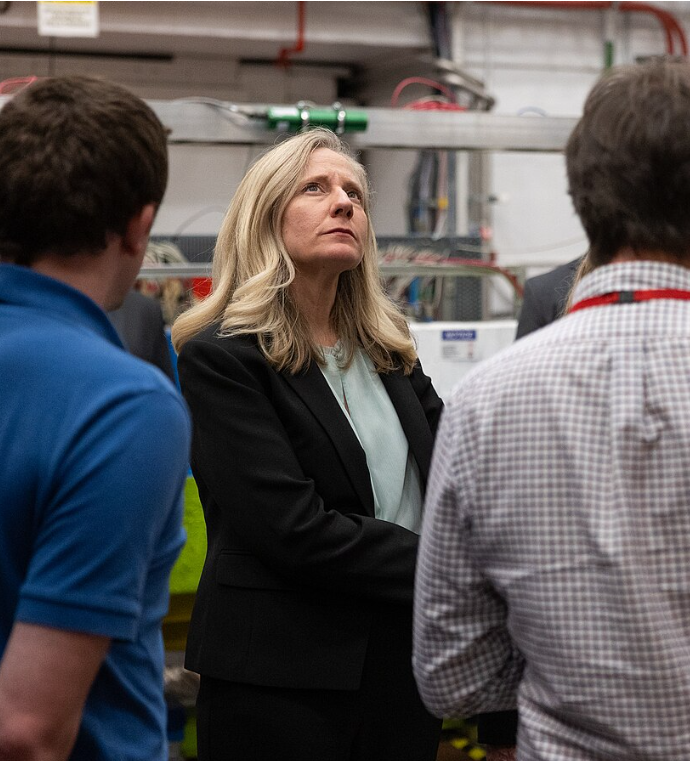
Virginia Governor Abigail Spanberger just restored voting rights to 66,085 convicted felons in a single executive action. Sixty-six thousand people who committed felonies serious enough to lose their civil rights just got handed voter registration eligibility in one of the most competitive swing states in the country.
The timing is purely coincidental, of course.
Spanberger called Virginia's felony disenfranchisement law "a shameful relic of our Jim Crow past." That's the framing now — if you think convicted felons maybe don't have the best judgement you're basically a segregationist. The Virginia constitution permanently strips felony convicts of voting rights, jury service, public office eligibility, and notary status. Virginia is one of only two states — Kentucky being the other — that still has permanent felony disenfranchisement on the books.
"I'm proud that, after contending with my predecessor's efforts to deny Virginians their fundamental rights, we have restored the rights of more than 66,000 Virginians who have served their time," Spanberger said. The "predecessor" she's referring to is Republican Glenn Youngkin, who restored fewer than 10,000 voting rights during his term — on a case-by-case basis, the way the process was designed to work.
But case-by-case review doesn't move the electoral math fast enough.
Here's what the "Jim Crow" framing conveniently obscures: this isn't new territory for Virginia Democrats. Former Governor Terry McAuliffe restored voting rights to 173,000 felons. Former Governor Ralph Northam added another 126,000. Spanberger's 66,085 is just the latest installment in a pattern that now stretches across three consecutive Democratic administrations. Each one walks into office and immediately starts expanding the electorate with people who weren't eligible to vote the day before.
Spanberger isn't stopping at executive action, either. There's a constitutional amendment referendum scheduled for this fall that would end felony disenfranchisement permanently. "This fall, voters can cast their ballots for Virginia to no longer strip so many of our neighbors of their fundamental rights," she said. "I hope Virginians will join me in voting yes." Which means the 66,000 she just enfranchised by executive order could be voting on whether to make their own enfranchisement permanent. That's a neat trick.
A Youngkin spokesperson said the disenfranchisement provision is "constitutional and will be defended vigorously in court." Whether that legal challenge materializes in time to matter is another question entirely.
The rehabilitation argument sounds reasonable until you look at the exposed wiring. Nobody restores 66,000 voting rights at once because they care deeply about individual redemption stories. You do it because you've looked at the demographic data, you've looked at the polling, and you've concluded that the math works in your favor. McAuliffe knew it. Northam knew it. Spanberger knows it.
Three governors. Three hundred sixty-five thousand new voters. Same party every time.
When the pattern is that consistent, it stops being a policy position and starts being a procurement strategy.